Pocket Monkey Design: A Practical Embroidery Review
As a designer who has spent countless hours digitizing and stitching out files for clients, I have learned that the charm of a design often hides in its execution. When I first loaded the T-Shirt Design Featuring a Pocket Monkey into my software, I was not just looking at a cute graphic; I was evaluating its viability for real-world production. For embroidery designers, small business owners, and Etsy sellers, the difference between a file that looks good on screen and one that sells well as a finished product is massive. This review breaks down how this specific asset performs when moved from digital preview to physical thread.
First Impressions and Visual Personality
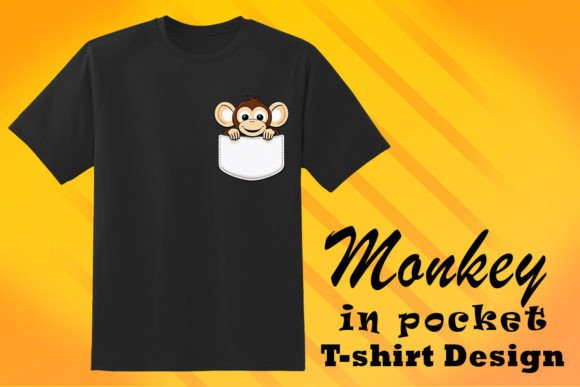
The immediate mood of this design is playful yet structured. The concept of a monkey peeking out of a pocket is a classic trope in apparel decoration, but its success depends entirely on the balance between the character and the simulated fabric fold. In this machine embroidery design, the layout feels intentional. The monkey’s expression provides a focal point that draws the eye, while the pocket element grounds the design, making it feel integrated rather than just slapped on. For crafters and makers, this visual personality suggests versatility. It does not scream "children only," which opens up markets for adult novelty wear, boutique branding, and personalized gifts that require a touch of whimsy without sacrificing professionalism.
Real-World Application Scenarios
To truly understand the value of any embroidery file, you must visualize it on actual goods. I tested this concept mentally against several common projects. For custom apparel, such as a high-quality cotton tee or a fleece sweatshirt embroidery project, the design sits naturally on the left chest. It mimics the look of a real pocket, which adds a layer of trompe-l'oeil interest that customers love. However, its utility extends far beyond shirts. Imagine this stitched onto a canvas tote bag design for a local bookstore or a coffee shop. The sturdy texture of canvas complements the fill stitches, giving the monkey a robust presence.
For those running a craft business, consider the potential for baby embroidery items. A onesie or a burp cloth featuring this motif makes for an excellent personalized gift. The playful nature fits the nursery aesthetic, provided the scale is adjusted correctly. Furthermore, this design could serve as a standout element in holiday collections. A red or green thread palette transforms it into instant holiday embroidery merchandise, perfect for December sales spikes. As a small shop product, it offers the kind of immediate recognition that drives impulse buys at craft fairs or through social media previews.
Technical Performance and Stitching Clarity
From a technical standpoint, the transition between different stitch types is critical. A design like this typically relies on a combination of fill stitch for the monkey’s body and satin stitch for finer details like eyes or outlines. In my experience, the clarity of these transitions determines the perceived quality of the finished product. If the stitch density is too high in the pocket area, you risk puckering, especially on lighter fabrics. Conversely, if the density is too low on the monkey, the backing might show through, ruining the illusion.
When working with this type of digital embroidery file, pay close attention to the underlay. A proper underlay stabilizes the fabric and ensures the top stitches sit flat. For commercial embroidery where speed and consistency matter, a well-digitized file will minimize thread breaks and trim points. I recommend reviewing the stitch path in your software before loading it onto the machine. Look for efficient travel moves that reduce jump stitches, which can clutter the back of the garment and affect comfort.
Fabric Considerations and Hoop Constraints
Not all fabrics behave the same way. While this design works beautifully on medium-weight cotton or polyester blends, caution is needed with textured or stretchy materials. On a ribbed knit, the simulated pocket edge might get lost in the fabric’s natural ridges. For embroidered patch creation, however, this design shines. Using a stiff cut-away stabilizer and twill fabric allows the satin edges to pop, creating a durable accessory that can be ironed or sewn onto jackets and hats.
Hoop size is another practical constraint. Ensure your hoop size accommodates the full width of the pocket illusion. If you are stitching on curved surfaces like caps, the distortion can warp the monkey’s face. In such cases, using a cap frame and testing on scrap material is non-negotiable. For dark fabrics, consider using a lighter thread color for the monkey to ensure contrast, or add a subtle backing layer if the design allows, to prevent the garment color from dulling the vibrancy of the thread colors.
Enhancing Brand Value and Customer Trust
Why does this specific design matter for your brand? Consistency and quality build trust. When a customer receives a handmade product that looks crisp and professional, they are more likely to return. This design, when executed well, signals attention to detail. It avoids the amateurish look of overly complex, tiny details that blur together after washing. Instead, it offers bold shapes and clear lines that withstand the test of time and frequent laundering.
For Etsy sellers and digital product vendors, presenting this design effectively is key. Use high-resolution printable mockup images that show the texture of the thread. Show the design on various backgrounds to help buyers visualize it on their own projects. Whether you are selling the design assets themselves or the final embroidered goods, transparency about the file’s capabilities builds credibility. Always confirm licensing terms before selling finished items. Some creators allow commercial use for physical goods but restrict the resale of the digital file itself.
Practical Designer Notes for Best Results
Before committing to a large production run, follow these steps to ensure success:
- Test on Scrap Fabric: Always stitch out a sample on the exact fabric type you plan to use for the final product. This reveals tension issues and density problems early.
- Check Thread Contrast: View your design in black and white within your software. If the monkey blends into the pocket, adjust your thread choices to create better separation.
- Inspect Small Details: Zoom in on the eyes and mouth. Ensure there are no microscopic stitches that may cause thread breaks or look messy.
- Verify Stabilizer Choice: Match your stabilizer to the fabric weight. A tear-away might suffice for stable cottons, but a cut-away is safer for stretchy knits.
- Confirm Licensing: Read the creator’s terms carefully. Ensure you are compliant whether you are making one-off personalized gifts or bulk small business merchandise.
In conclusion, the T-Shirt Design Featuring a Pocket Monkey is a strong contender for any designer’s library. It balances charm with technical feasibility, offering a wide range of applications from baby clothes to boutique apparel. By respecting the technical requirements of stitch density, fabric choice, and hoop constraints, you can transform this digital file into a high-value physical product that resonates with customers. Keep your expectations realistic, test thoroughly, and let the quality of your stitching speak for itself.