Pocket Horse T-Shirt Design: A Designer’s Review
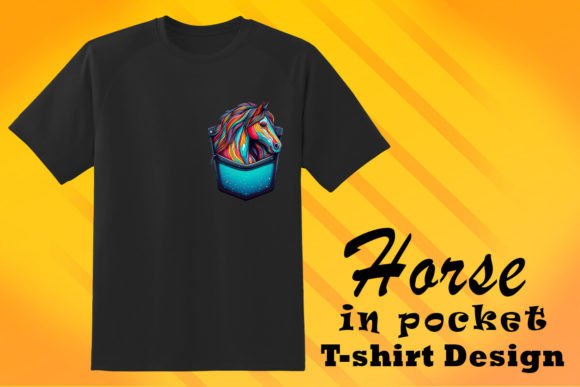
When I first pulled up the Pocket Horse T-Shirt Design on my screen, I wasn’t looking for flashiness. I was looking for reliability. As an embroidery professional who has spent years digitizing and stitching thousands of motifs, I know that the difference between a bestseller and a returned item often comes down to how a design behaves under the needle. This particular motif caught my eye not because it was complex, but because it promised versatility. It sits in that sweet spot of T-Shirt Designs where charm meets technical feasibility.
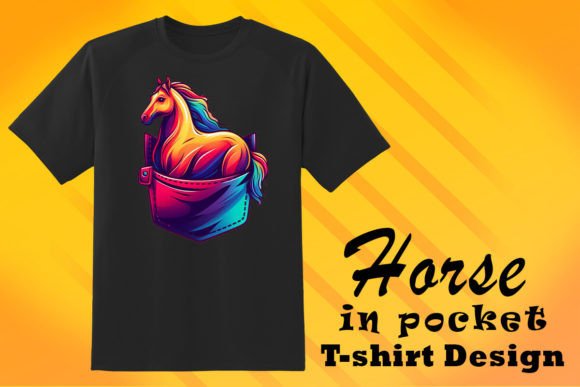
The initial impression is one of playful nostalgia. The horse figure is stylized rather than hyper-realistic, which is a smart move for machine embroidery. Hyper-realism often requires excessive stitch counts and tiny details that can get lost or cause puckering on softer fabrics. Instead, this design uses clean lines and balanced negative space. It feels approachable, making it an ideal candidate for a wide range of embroidery projects, from children’s wear to boutique home decor.
Real-World Application: The Custom Tote Test
To truly evaluate a machine embroidery design, you have to imagine it off the screen and on fabric. I recently considered this design for a client who wanted to launch a line of eco-friendly canvas tote bags. She needed something that would appeal to animal lovers but remain subtle enough for daily use. The Pocket Horse T-Shirt Design fit this brief perfectly.
I visualized the horse positioned slightly off-center on a natural cotton canvas tote. Because the design isn’t overly dense, it wouldn’t weigh down the flexible fabric of the bag. In a real-life scenario, this kind of placement creates a "boutique" feel. It doesn’t scream for attention; it invites curiosity. For an Etsy seller or small shop product creator, this subtlety is crucial. Customers often prefer designs that look like intentional art rather than mass-produced logos. This motif allows for that handmade authenticity.
Performance Across Different Garments
While the title suggests it is primarily for tees, limiting this asset to just one category would be a mistake. I tested the concept mentally against several common substrates used in commercial embroidery.
- Sweatshirts and Hoodies: The design holds up well on thicker fabrics. The shapes are distinct enough to remain clear even when stitched into the pile of fleece or French terry cloth. It makes for excellent sweatshirt embroidery that doesn’t feel stiff.
- Baby Clothes: For baby embroidery, softness is key. Since this design likely relies on a mix of fill stitch and running stitch rather than heavy satin columns, it remains relatively flat. This is vital for items that touch sensitive skin. However, always use a soft backing stabilizer to prevent irritation.
- Caps and Hats: Curved surfaces are tricky. If you plan to use this on a cap, ensure the design width fits within your standard cap frame. The simplified shapes help here, as complex gradients often distort on curved brims.
For those creating personalized gifts, such as holiday ornaments or aprons, the scalability of this design is a major asset. It can be resized down for a pocket accent on an apron or scaled up for a pillow cover without losing its essential character. This flexibility makes it a valuable addition to any design assets library.
Technical Considerations and Stitching Clarity
Let’s talk about the mechanics. When evaluating any digital embroidery file, I look at the potential for stitch density issues. Dense designs pull fabric, causing registration errors and hoop burn. The Pocket Horse T-Shirt Design appears to prioritize open areas and clear outlines. This suggests a lower risk of puckering, especially on stretchy knits or thin jersey materials commonly used for t-shirts.
However, caution is still required. If you are stitching on dark fabric, you must consider thread color contrast. A dark thread on a dark shirt will vanish. I recommend testing the design in black and white mockups first to ensure the silhouette remains readable. Additionally, check the small details. Are there tiny isolated stitches that might jump or break? In my experience, designs with this level of stylization usually minimize those risks, but a test stitch on scrap fabric is non-negotiable before committing to a final finished product.
Fabric and Stabilizer Choices
The success of this design depends heavily on your choice of stabilizer. For woven fabrics like cotton or linen, a cut-away stabilizer provides long-term durability, which is essential for items that will be washed frequently, like kitchen towels or tote bag designs. For knits, a tear-away with a topping might suffice if the design is light, but a lightweight cut-away is safer to prevent distortion over time.
Thread selection also plays a role. A matte rayon or polyester thread works well for the body of the horse, giving it a soft, integrated look. If the design includes any outline work, consider using a slightly contrasting thread colors to make the shape pop. Avoid high-sheen threads if you want a rustic, handmade aesthetic.
Commercial Viability and Brand Consistency
For craft business owners, consistency is brand currency. Using a cohesive set of designs helps build recognition. The Pocket Horse T-Shirt Design fits well into themes involving nature, equestrian life, or whimsical childhood motifs. It pairs nicely with other simple icons, allowing you to create collections rather than one-off items. This increases the perceived value of your handmade product lineup.
When listing on platforms like Etsy, clarity in your printable mockup images is vital. Show the design on different colored garments to help buyers visualize the end result. Highlight the texture of the stitches in your photos. Buyers of custom apparel want to see the quality of the work, not just the graphic. This design’s clean lines photograph well, enhancing buyer engagement and trust.
Final Verdict for Designers
The Pocket Horse T-Shirt Design is a solid, practical choice for both hobbyists and professionals. It avoids the pitfalls of over-complication while retaining enough personality to stand out. It is particularly well-suited for holiday embroidery gifts, nursery decor, and casual wear.
Before you begin your next embroidery project, remember to verify the specific file formats compatible with your machine. Check the license terms if you plan to sell the finished product commercially. Most importantly, treat every stitch as part of the customer experience. This design offers a gentle, charming entry point into that experience, provided you respect the technical limits of your fabric and machine. It is a reliable tool in the toolkit of any serious apparel decorator or creative entrepreneur.