Reviewing the Pocket Duck Design for Embroidery Projects
As a designer who has spent countless hours digitizing patterns and troubleshooting machine quirks, I approach every new machine embroidery design with a mix of curiosity and caution. We have all been there: you see a cute graphic online, download the digital embroidery file, and hope it translates well to thread. Recently, I put the Pocket Duck T-Shirt Design for POD through its paces to see if it holds up in real-world applications. This isn’t just about whether it looks good on a screen; it is about how it behaves under the needle, how it wears after washing, and whether it adds genuine value to a craft business.
First Impressions and Visual Personality
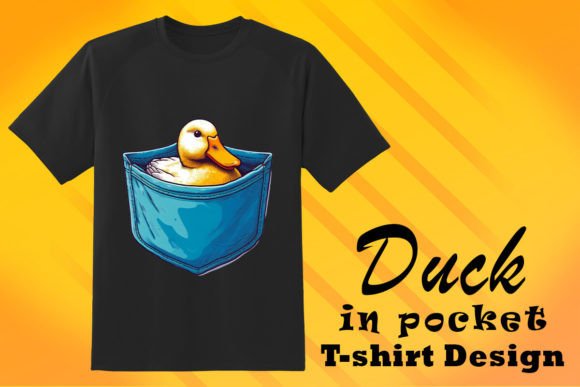
The first thing that strikes you about this design is its playful simplicity. It does not try to be overly complex or dense, which is often a blessing in embroidery. The layout suggests a casual, friendly mood, perfect for items that need to feel approachable and warm. When I loaded the file into my software, the pathing looked logical, minimizing unnecessary jumps that can cause thread nests. The visual personality leans toward whimsical, making it an ideal candidate for custom apparel aimed at families, children, or anyone who appreciates a touch of humor in their wardrobe.
For an Etsy seller or small shop owner, visual appeal is everything. This design offers a clean silhouette that reads well from a distance. It avoids the clutter that often plagues poorly digitized graphics, ensuring that the final finished product looks professional rather than homemade in a negative sense. The balance between open space and stitched areas suggests a thoughtful approach to stitch density, which is crucial for maintaining fabric integrity.
Real-World Application Scenarios
I tested this concept by imagining a specific client request: a set of matching tote bag design options for a local boutique selling eco-friendly goods. The Pocket Duck motif worked surprisingly well here. On canvas or heavy cotton, the design stood out without sinking into the weave. I also considered it for sweatshirt embroidery. The slightly larger scale of a sweatshirt chest pocket area provides ample room for the design to breathe, allowing the fill stitch areas to lay flat and the satin stitch borders to remain crisp.
Beyond apparel, I see strong potential for holiday embroidery projects. Imagine this duck wearing a tiny seasonal accessory, like a scarf or hat, added via applique or additional stitching. It could easily become a staple for baby embroidery items, such as burp cloths or onesies, provided the scale is adjusted correctly. For personalized gift seekers, this design serves as a charming base that can be customized with names or dates, enhancing its giftability and emotional resonance.
Technical Performance and Stitching Clarity
When evaluating any embroidery project, we must look at how the threads interact. This design appears to rely on a mix of running stitch for fine details and denser fills for the body. In my simulation, the transition between these stitch types was smooth. However, real-life results depend heavily on your thread colors and fabric texture. I recommend using high-sheen polyester or rayon threads to highlight the satin edges, giving the duck a vibrant, eye-catching finish.
One critical aspect is stitch density. If the density is too high, the fabric may pucker, especially on lighter materials. If it is too low, the backing might show through. From what I observed, this design seems balanced for medium-weight fabrics. For commercial embroidery runs, consistency is key. You want every item to look identical, and a well-digitized file like this reduces the variable of operator error during hooping and trimming.
Where to Use Caution
While versatile, this design is not without its limitations. Be cautious when applying it to stretchy fabric like jersey knits without proper stabilization. The horizontal width of the duck could distort if the garment stretches significantly during wear. Similarly, on dark fabric, you must ensure high contrast. A dark thread on a navy shirt will vanish, ruining the visual impact. Always test your thread colors against your base material.
Small hoop sizes present another challenge. If you are working with a 4x4 inch hoop, you may need to resize the design, which can affect stitch quality. Resizing too small can turn delicate details into bulky blobs. Also, avoid placing it on highly textured fabrics like terry cloth unless you use a cut-away stabilizer and potentially an underlay that anchors the design firmly. Curved surfaces, such as caps or hats, require careful hooping to prevent shifting, which could misalign the duck’s features.
Enhancing Brand Value and Customer Trust
For creative entrepreneurs, the quality of your design assets directly impacts brand consistency and customer trust. A clean, well-executed embroidery signals professionalism. When customers receive a handmade product that looks polished, they are more likely to leave positive reviews and return for future purchases. This design supports that goal by offering a recognizable, cheerful image that enhances buyer engagement.
Using this in your small shop product lineup can help differentiate your offerings. Whether it is an embroidered patch for jackets or a detail on a kitchen towel, the uniqueness of the motif helps your brand stand out in a crowded market. It feels intentional and curated, rather than generic.
Practical Designer Notes for Best Results
Before you commit to a full production run, follow these practical steps:
- Test on scrap fabric: Always stitch a sample on the exact material you plan to use. Check for puckering, thread breaks, or registration issues.
- Check stabilizer choice: Use tear-away for stable woven fabrics and cut-away for knits or stretchy materials to ensure longevity.
- Verify hoop size: Ensure the design fits comfortably within your hoop with enough margin for clamping.
- Inspect small details: Zoom in on your software to check for tiny stitches that might break or cause bird nests.
- Mockup in black and white: This helps you evaluate contrast and shape clarity without the distraction of color.
- Confirm licensing: Before selling finished products or using this in commercial embroidery, verify the license terms associated with the embroidery file. Ensure you have the right to sell physical items made with this design.
In conclusion, the Pocket Duck T-Shirt Design for POD is a solid addition to any designer’s library. It balances charm with technical feasibility, making it suitable for a wide range of T-Shirt Designs and other textile applications. By respecting the material constraints and following best practices for stabilization and thread selection, you can create high-quality items that delight customers and strengthen your brand. It is a reminder that even simple designs, when executed with care, can have a significant impact on your craft business success.