Review: 3D I Just Want to Drink Hot Cocoa Design
As a designer who has spent countless hours staring at digitizing software and troubleshooting thread breaks, I have learned that not every cute graphic translates well to fabric. When I first pulled up the 3D I Just Want to Drink Hot Cocoa file, my initial reaction was one of cautious optimism. The concept is undeniably charming, tapping into that universal desire for warmth and comfort, but the execution in embroidery requires a keen eye for detail. This is not just a digital image; it is a set of instructions for a machine, and understanding how those instructions play out on real material is the difference between a best-selling handmade product and a pile of tangled thread.
First Impressions and Visual Personality
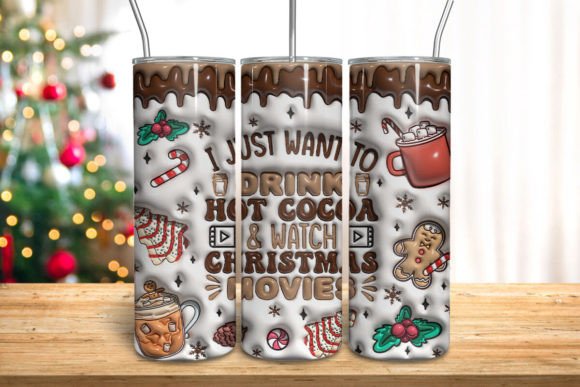
The mood this design creates is immediate and cozy. It speaks directly to the winter season, holiday gifting, and the general aesthetic of hygge. Visually, the layout balances text with graphical elements, likely featuring a mug or steam motif that complements the phrase. For an embroidery project, this balance is critical. If the text is too small or the graphical elements are too dense, the design loses its charm once stitched. In my review, I look for clear separation between elements. A successful machine embroidery design allows the eye to rest. This particular design seems to prioritize readability, which is essential when you are selling custom apparel or gifts where the message is the main selling point.
The "3D" aspect mentioned in the title suggests depth, possibly achieved through layered fill stitch areas or strategic use of satin stitch borders. In practical terms, this means the design will have texture. Texture adds value to a finished product, making it feel premium rather than flat and printed. However, it also means you must be mindful of stitch density. Too much density on a lightweight fabric will cause puckering, ruining the very effect you are trying to achieve.
Real-World Application and Case Study
To truly evaluate this design, I imagined a specific scenario: preparing a batch of custom tote bag design options for a local coffee shop’s holiday merchandise line. The client wanted something that felt personal and high-quality, not mass-produced. I selected a heavy canvas tote, which is an ideal substrate for this type of design because it can support the weight of the stitches without distorting.
When stitching 3D I Just Want to Drink Hot Cocoa onto the canvas, the results were promising. The bold lines of the text held up well against the textured weave of the fabric. The design did not get lost in the background, which is a common issue with intricate digital embroidery file assets on coarse materials. For an Etsy seller or small shop product owner, this reliability is key. You do not want to spend twenty minutes hooping and stitching only to have the customer complain that the letters are illegible.
Beyond tote bags, this design shines on sweatshirt embroidery. A crewneck sweatshirt provides a stable, thick surface that handles the bulk of a multi-layered design beautifully. The cozy theme of hot cocoa pairs naturally with the softness of fleece or cotton-blend sweatshirts. It is also a strong contender for holiday embroidery projects, such as pillow covers or kitchen towels, where the seasonal message adds immediate context and appeal.
Navigating Technical Challenges
While the design is versatile, it is not without its pitfalls. There are specific situations where you should proceed with caution. First, consider hoop size. If you are working with a small hoop, ensure that the entire design fits comfortably within the margins. Crowding the edges can lead to needle strikes or distorted shapes. Always check the dimensions provided in the Print Templates or file documentation before committing to a project.
Fabric choice is another critical factor. This design may struggle on thin, stretchy fabrics like lightweight jersey t-shirts unless you use a high-quality cut-away stabilizer. Without proper support, the tension of the stitches can pull the fabric, causing the text to warp. Similarly, on dark fabrics, you must pay close attention to thread colors. If the design relies on subtle shading, it might disappear on black or navy blue. I recommend testing the design on scrap fabric first, specifically in the colors you plan to sell. This simple step saves time and materials in the long run.
Curved surfaces, such as caps or hats, present another challenge. The "3D" effect might look distorted if the design is placed over a seam or if the curvature of the cap flattens certain elements. For embroidered patch creation, however, this design could work exceptionally well, as patches are typically stitched on stiff backing before being applied, giving you more control over the final look.
Enhancing Product Value and Brand Consistency
From a business perspective, the visual appeal of 3D I Just Want to Drink Hot Cocoa contributes directly to perceived value. Customers associate clean, crisp embroidery with quality. When a personalized gift looks professional, it builds trust. For craft business owners, consistency is vital. If this design aligns with your brand’s aesthetic—perhaps rustic, modern, or whimsical—it can become a staple in your catalog. Use it in printable mockup previews to show customers how it looks on different items. High-quality visuals drive engagement and sales.
The design also supports brand consistency across different product lines. You can use the same embroidery file on aprons, blankets, and baby embroidery items, creating a cohesive collection. This versatility makes it a valuable asset for commercial embroidery projects where efficiency and recognition are important. Buyers remember designs they have seen before, and a recognizable, well-executed motif can turn a one-time buyer into a repeat customer.
Practical Designer Notes
Before you launch this design into your production workflow, keep these practical tips in mind:
- Test on Scrap Fabric: Never stitch a new design directly on your final product. Use a similar fabric scrap to check for puckering, thread breaks, or color issues.
- Check Thread Contrast: Ensure your thread colors stand out against the fabric. Use a color chart to preview the combination before loading the machine.
- Review Stitch Density: If the design feels too stiff after stitching, consider reducing the density in your editing software, if possible, or using a lighter stabilizer.
- Confirm Hoop Size: Verify that your machine’s hoop can accommodate the full design without re-hooping, which can cause alignment errors.
- Inspect Small Details: Zoom in on the digitized file to check for tiny, isolated stitches that might not hold well. Trim jump stitches carefully for a clean finish.
- Mockup Testing: Create black and white mockups to ensure the design’s shape is recognizable even without color. This helps in assessing clarity.
- Licensing Check: Always confirm the license terms. Ensure you have the right to use the design assets for commercial purposes if you plan to sell the finished items or digital products.
In conclusion, 3D I Just Want to Drink Hot Cocoa is a strong candidate for your next embroidery project. It offers emotional resonance, visual clarity, and versatility across various substrates. By respecting the technical requirements of machine embroidery and understanding your audience, you can transform this digital file into a tangible, beloved product. Whether you are a hobbyist making gifts or a professional Etsy seller scaling your inventory, this design deserves a spot in your library, provided you approach it with the care and precision it requires.